
My Underwater Photography Gear
One of the most popular questions I get asked is 'what camera do you use?' So I thought I'd lay out my whole setup, and some lessons I've picked up along the way.
Camera & Lenses
I shoot with the Sony A7IV, a full-frame mirrorless camera. It's a bit of a photo/video hybrid, and while I'm yet to dive deep into the video side, I love the quality of photos it produces!
I only shoot with prime lenses (fixed focal length, so not a zoom lens!), because I find that there is so much going on between boats, freediving, winds/currents, being a good buddy and moving subjects that having a fixed lens is one less thing to adjust. It does sometimes limit me if I encounter a larger or very friendly subject unexpectedly, but 90% of the time my Sony 20mm 1.8G lens is perfect. If I'm intentionally going to photograph whale sharks, whales or only split shots, I'll switch to my Laowa 10mm 2.8, which makes a huge difference when trying to fit a large subject into the frame or the world of above/below.
Underwater Housing
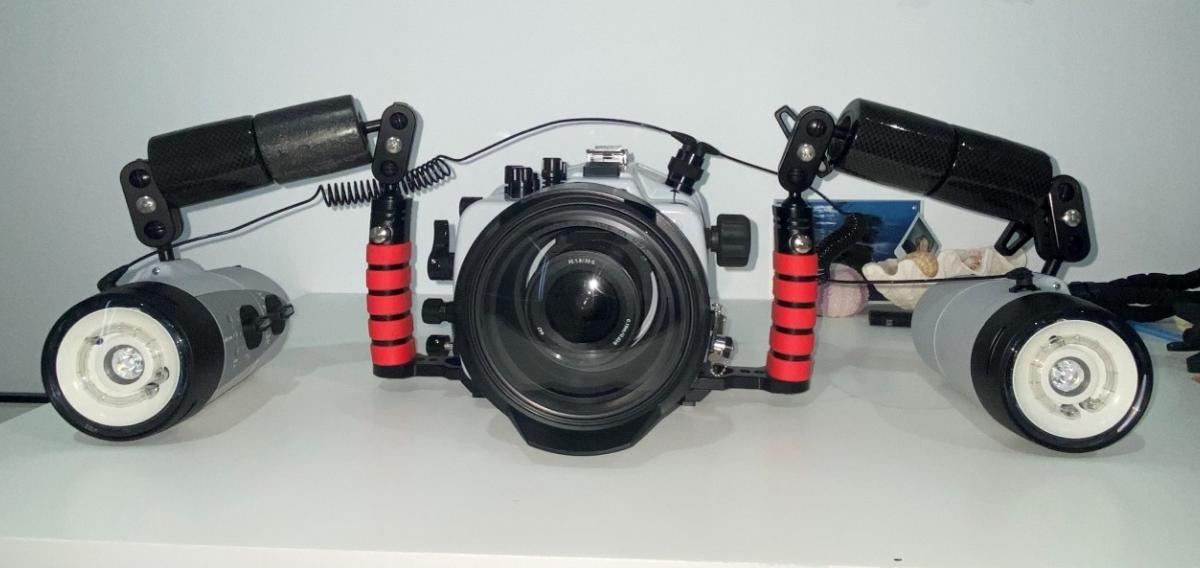
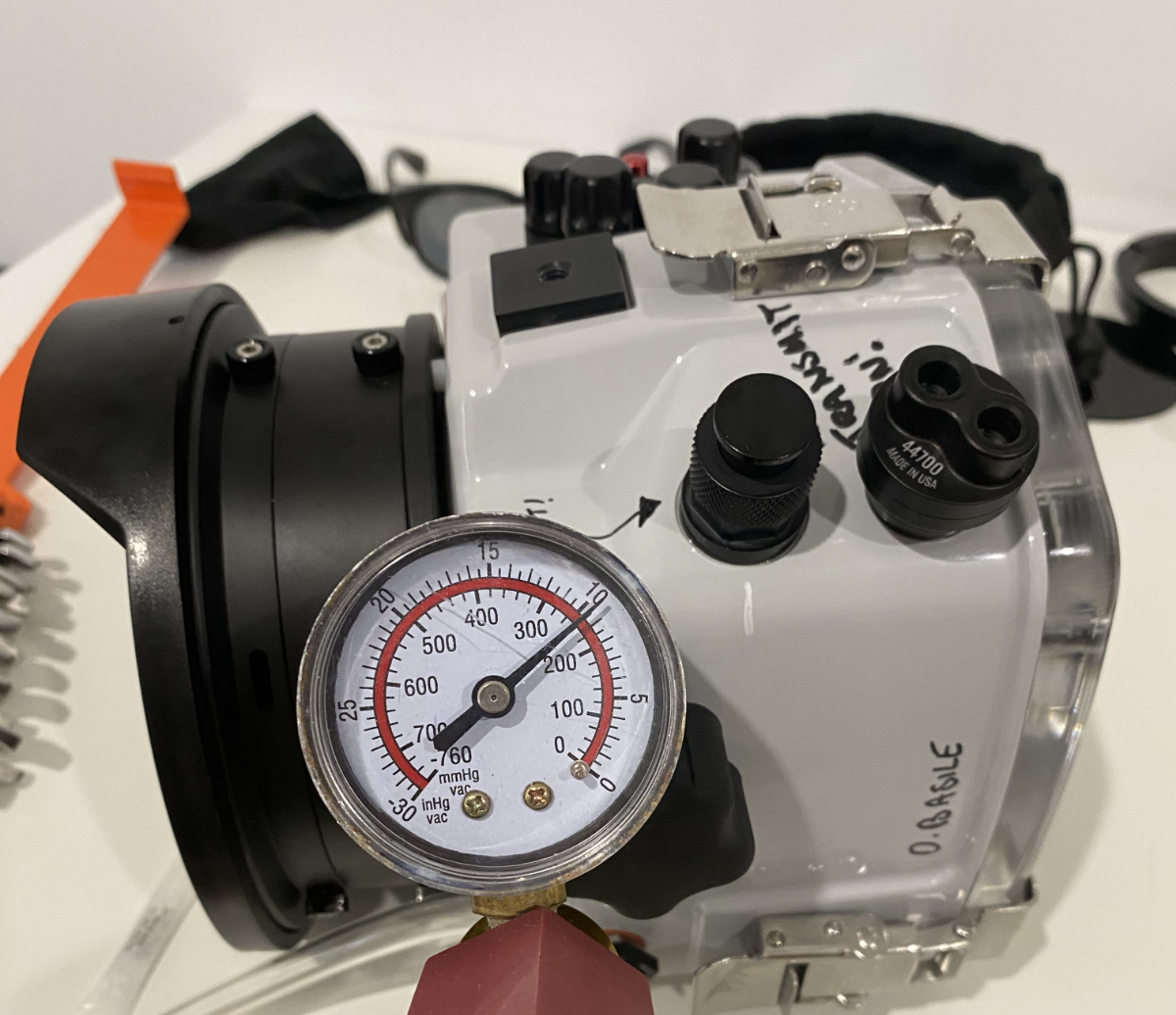
Everything lives inside my trusty Ikelite 200DL housing, paired with the 8-inch dome port. I've used a few different brands of housings in the past, and this one is by far the best. I'm super careful with my gear and give it a good freshwater soak after every use, but boating on the West Coast gets rough, and the housing has taken its fair share of bumps, knocks and slams (thank you very much, 25kt southerly). My favourite feature of the housing is the vacuum port and pump attachment. The night before a dive, I'll set the housing up and pull the vacuum, then leave it overnight. If I come back the next morning and the pressure has changed, I know I have a leak. I also pull the vacuum half an hour before every dive, and then check again before entering the water (I'm a bit obsessed with making sure it's properly watertight!).
Lighting & Strobes
Most of the time, I'm using the available natural light in my photos. I've lately started experimenting with artificial light, and I use dual Ikelite RC165 fibre-optic strobes. These restore a whole heap of colour that disappears underwater, and I'm loving watching reds, oranges, pinks and purples return to a photo that otherwise would have been hues of only blue and green. Freediving with strobes is a totally different beast. I've got added drag, strobe power and positioning to consider, on top of the already dynamic environment I'm diving in. I'm enjoying the challenge though! I think if I started my underwater photography journey with this big setup, I would have struggled, but I'm already used to diving with a big setup so it's not as much of a shock.
Freediving Setup
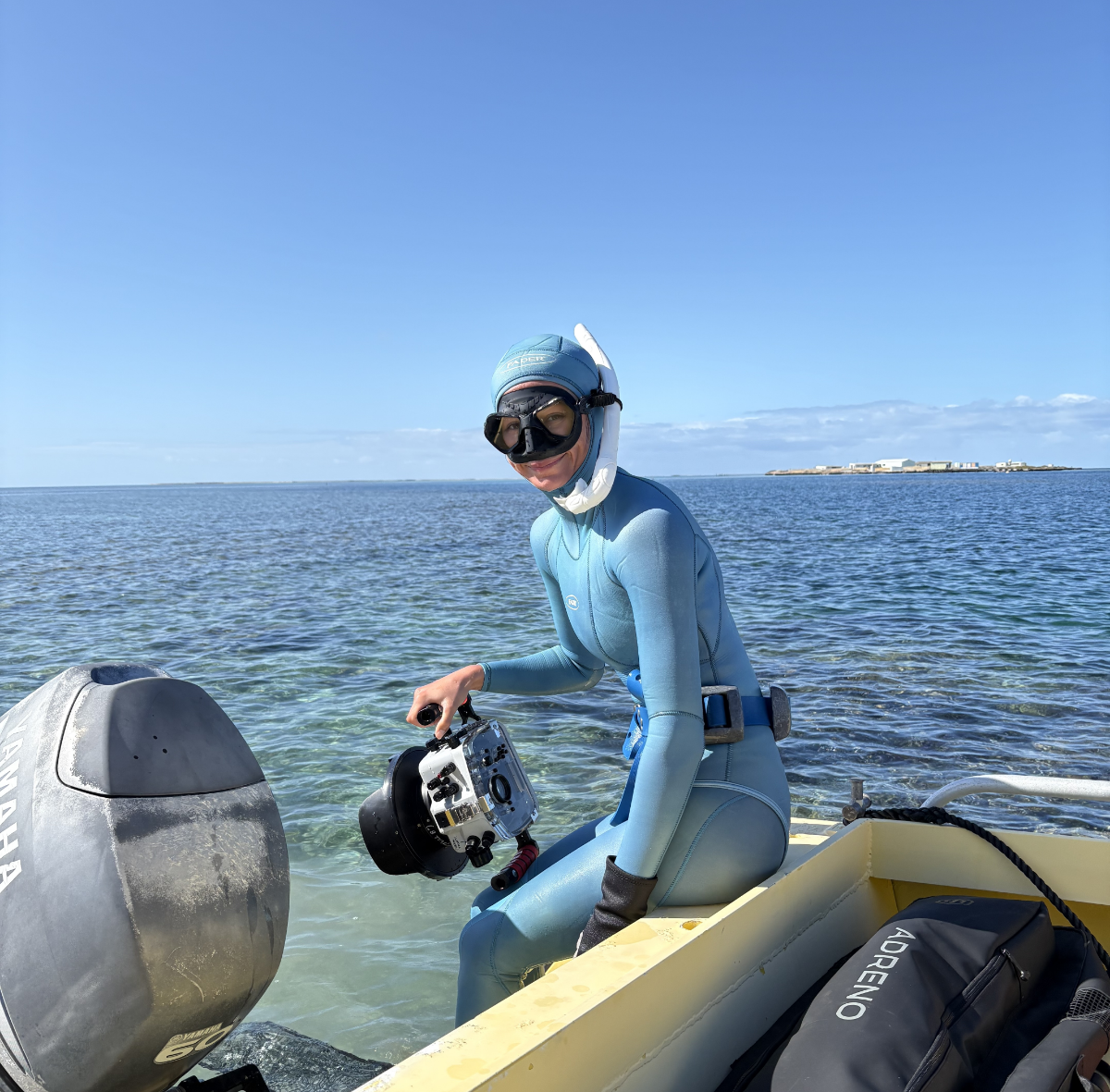
All of my images are captured on a single breath, without the use of tanks or scuba gear. I like the freedom of movement without being constrained by the bulk of tanks, and I can often get closer to marine life without them being scared away by bubbles or the noise. My wetsuit of choice is the Fader Wetsuits 3mm open cell, which features a contrast gradient pattern scientifically proven to make you less visible to sharks (less visible = less scared creature = better pics!). I also highly recommend this wettie for female divers. It's definitely the most comfortable and well-fitting open cell suit I've had (and I've tried a lot!). I use DiveR composite fins, and Hydrodive weights with a low-volume mask to complete my freediving setup. And perhaps most important of all, a dedicated husband to be my dive buddy and animal spotter! (Thanks for putting up with my relentless antics, Felix, hahaha.)
The Vessel
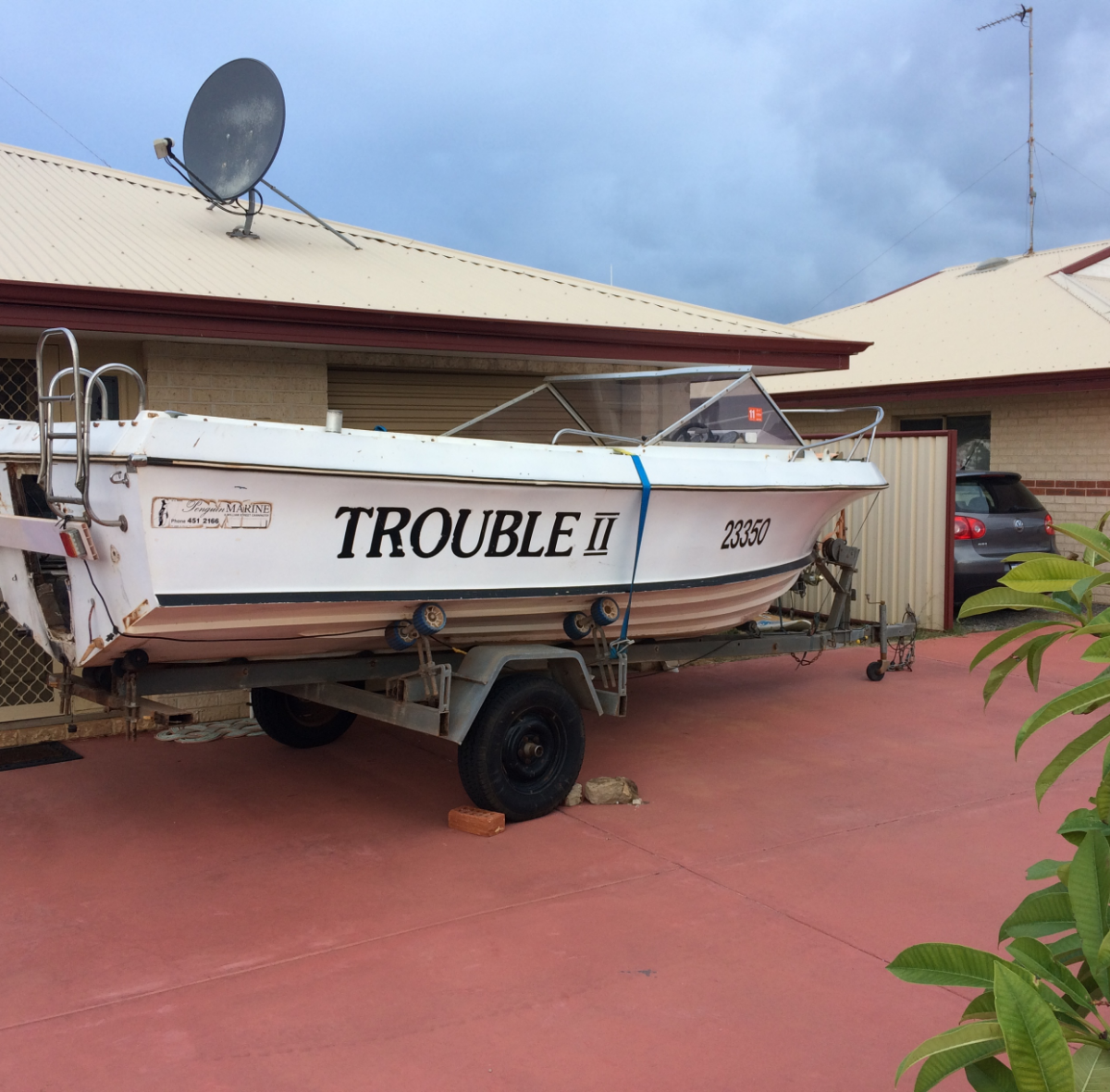
Our dive vessel deserves a special mention too. This is the Phoenix, a Haines Hunter V19R. We purchased her as an unfinished project in 2020. She was originally a fisheries vessel with a Mercruiser, which we stripped back to the very last layers of fibreglass, and rebuilt her 'hull within a hull' style. Today, she's a speed weapon capable of taking on some of the rougher conditions and getting us from A to B quickly and safely.
The Biggest Investment
While I have all of this fancy gear, the biggest investment is time. Time spent learning, time spent smashing through unfavourable weather, time spent editing, time spent maintaining the boat, and time spent seeing absolutely nothing at all. It's all worth it in the end though, and while it's not the cheapest hobby to have, there's always something to focus on and to keep me interested. Seeing people's reactions at markets and what they like is also really interesting, and I enjoy being able to share my underwater adventures!